
The Revival of Retro Arcade Games in 2026 and Their Influence on the Amusement Industry

The year 2026 has seen a remarkable resurgence of retro arcade games, sparking renewed interest across generations. These classic games, once thought to be relics of the past, are now shaping the future of the amusement sector in unexpected ways. This revival is not just about nostalgia; it is transforming how people engage with entertainment venues and redefining the amusement experience.
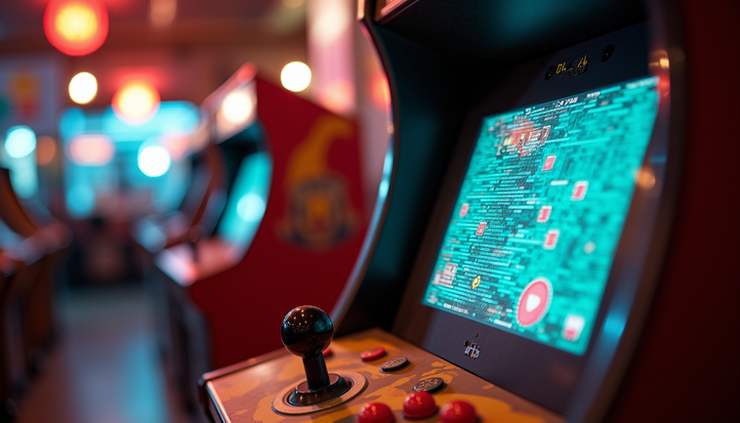
The Comeback of Retro Arcade Games
Retro arcade games have made a strong comeback in 2026, driven by several factors:
Nostalgia among adults who grew up in the 80s and 90s, seeking to relive their childhood memories.
Younger generations discovering retro games through digital platforms and arcade bars.
Technological upgrades that blend classic gameplay with modern features like online leaderboards and multiplayer modes.
Cultural trends favoring vintage and analog experiences in a digital-heavy world.
This resurgence has led to a surge in arcade venues reopening or launching with a focus on retro titles. Games like Pac-Man, Donkey Kong, Street Fighter II, and Galaga are once again crowd favorites, drawing diverse audiences.
How Retro Games Are Changing the Amusement Industry
The impact of retro arcade games on the amusement sector goes beyond simple entertainment. Here are key ways they are influencing the industry:
1. Revitalizing Physical Arcade Spaces
After years of decline due to home gaming consoles and mobile apps, physical arcades are experiencing a revival. Retro games offer a unique draw that digital-only platforms cannot replicate:
Social interaction: Players gather in person, creating a lively atmosphere.
Tactile experience: The feel of joysticks, buttons, and coin slots adds to the fun.
Event hosting: Tournaments and themed nights centered on retro games attract crowds.
This has encouraged entrepreneurs to invest in arcade bars, family entertainment centers, and pop-up arcades, boosting local economies and foot traffic.
2. Blending Old and New Technologies
Modern technology enhances retro games without losing their original charm. Examples include:
LED lighting and sound upgrades that improve ambiance.
Integration with smartphones for score tracking and social sharing.
Hybrid machines that combine classic gameplay with VR or AR elements.
These innovations keep retro games fresh and appealing to tech-savvy players while preserving their core gameplay.
3. Expanding Market Demographics
Retro arcade games now attract a wider audience:
Millennials and Gen Z who enjoy vintage culture and seek authentic experiences.
Families looking for inclusive entertainment options that span generations.
Tourists interested in unique local attractions.
This broad appeal helps amusement venues diversify their offerings and increase revenue streams.
Examples of Retro Arcade Influence in 2026
Several real-world examples illustrate how retro arcade games are shaping the amusement sector:
Arcade Revival Centers in cities like Chicago and Tokyo have reported a 40% increase in visitors since adding retro game sections.
Themed Festivals celebrating classic arcade culture draw thousands, combining gaming, music, and food.
Collaborations with Game Developers have led to remastered versions of retro titles installed in arcades worldwide.
These cases show how retro arcade games serve as both entertainment and cultural touchstones.
Challenges and Opportunities
While the revival is promising, the amusement industry faces challenges:
Maintenance costs for aging arcade machines can be high.
Balancing nostalgia with innovation requires careful curation.
Competition from home gaming remains strong.
However, opportunities abound:
Partnerships with brands for exclusive arcade experiences.
Educational programs using retro games to teach coding and design.
Expanding into virtual spaces to reach global audiences.
By addressing these factors, the amusement sector can sustain and grow the retro arcade trend.
What This Means for Players and Businesses
For players, the return of retro arcade games offers:
A chance to connect with gaming history.
Social and competitive experiences in physical spaces.
Access to improved versions of beloved classics.
For businesses, it means:
New revenue from diverse customer groups.
Opportunities to create memorable, shareable experiences.
A way to stand out in a crowded entertainment market.
The revival of retro arcade games is more than a fad; it is reshaping how amusement venues operate and engage their audiences.


Comments